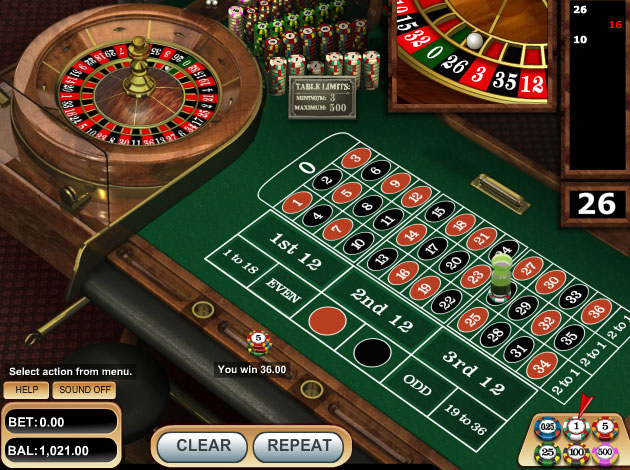
I’ve spent entire evenings at one roulette wheel more times than I can count. For Australian players who enjoy the energy of online casinos like PlayMojo Casino, that blurred perception of time can quietly transform a fun session into a moment of regret. That’s exactly why I was intrigued when PlayMojo Casino rolled out a dedicated session timer feature, built right into the platform and calibrated for local habits. The tool is simple, but it tackles a uniquely Australian challenge: we’re a nation that punches above its weight in per-capita gambling spend, and digital accessibility has only blurred the boundaries between casual entertainment and late-night marathons. The new timer doesn’t preach or restrict; it gently signals when a chosen window is closing. I’ve dedicated a week testing it across pokies, live blackjack and even a few quick Keno runs. What surprised me most was how such a minimal addition shifted my awareness without dampening the thrill. In this article, I’ll detail how the timer functions, why it matters on our shores and how I believe it stacks up against other responsible gaming tools available to Australians today.
Setting Up Your Personal PlayMojo Session Timer
I expected a tedious multi-step process, but the setup truly took me less than a minute the first time. The feature doesn’t need that you wade through five hidden menus, which is vital because the hassle of activation often decides whether a responsible gaming tool gets used at all. PlayMojo Casino has placed the timer controls straight under the “My Account” section, neatly labelled and just a tap away from the main lobby. Once you enter the settings, you’re greeted with a simple slider or manual time input, and you can set the timer on or off for each session. There’s no permanent lock, so you can adjust your limits depending on whether it’s a quick arvo pokies spin or a longer Saturday night blackjack marathon. I’ll outline the quick-start process that worked for me.
- Log in and select the profile icon in the top-right corner.
- Choose “Responsible Gaming Tools” from the dropdown menu.
- Locate the Session Timer toggle and set it to “On.”
- Drag the slider to your preferred duration or enter the minutes manually.
- Verify the setting. You’ll see a small countdown appear next to your balance display.
From that point, the timer operates in the background regardless of which game you load. I tested the mobile version on both Android and iOS, and the experience stayed consistent across devices. The setting persists for the current login session only, which I initially considered was a drawback. After a few days, I understood it actually encourages intentionality every time you sit down to play. That small ritual of setting a timer has turned into part of my pre-game checklist, much like checking the odds on an AFL fixture before a punt.
What I Learned Testing the Timer Over a Weekend
I opted to test out the session timer during a entire weekend of mixed play, Friday night poker, Saturday afternoon live roulette and a lazy Sunday morning on a new pokie release. On Friday, I configured the limit to ninety minutes, corresponding to the typical length of a big game of Texas Hold’em. I barely noticed the countdown until the gentle five-minute warning came up. At that point I experienced a small internal debate: wrap up the current hand or cash out immediately. I finished the hand, reviewed my balance and logged off without the usual “one more orbit” temptation. That single interruption altered my decision-making loop in a way I hadn’t experienced before. Saturday was even more telling. I configured a tight forty-five-minute session for roulette, where the pace is rapid and losses can build up fast. The alert came mid-spin, and I decided to walk away slightly ahead, something I seldom do. Sunday’s pokie session with a thirty-minute window felt like a sprint, and I gamed more intentionally knowing the clock was ticking. Across the whole weekend, I didn’t violate a single self-imposed limit. The tool wasn’t punitive; it seemed like having a responsible mate who quietly touches base without grabbing the wheel.
What Takes Place When Your Session Limit Is Reached
The moment the countdown expires, the screen dims slightly and a balanced message appears: “Your session time is up. We encourage you to take a break.” There’s no alarm, no flashing banner and certainly no forced logout that might provoke someone to rage-click back in. The game continues without interruption if you opt to keep playing, but the timer icon turns amber and begins counting overtime. I found that tiny visual shift unexpectedly powerful. It transformed the experience from a passive flow into a conscious choice. If you ignore the alert, the overtime period is documented in your personal activity log, which you can examine later under the responsible gaming tab. That log becomes a subtly truthful mirror; when I looked at my Saturday session log and saw twelve minutes of overtime, I didn’t feel guilty but I did feel knowledgeable. PlayMojo Casino also integrates the timer with its broader set of limits, so you could conceivably combine a session cap with a deposit cap to create a structured safety net. Importantly, customer support staff are prepared to reference your timer data if you ever contact for a time-out or self-exclusion, making the whole process more evidence-based. For Australians who prize personal responsibility but also appreciate subtle structural cues, this design resonated perfectly.
How the New Session Timer Functions at PlayMojo Casino
The timer sits discreetly in the account toolbar, available on desktop and mobile without disturbing gameplay. After logging in, I saw a small clock icon I’d previously overlooked; now it shows a adjustable countdown. You select a duration, anything from fifteen minutes to four hours, and the system quietly tracks your active play time. I value that the countdown halts automatically when I’m idle or logged out, so popping away to make a coffee doesn’t eat into my entertainment window. About five minutes before the limit hits, a soft on-screen notification shows up, just a line of text informing me that my session is nearly up. When the timer arrives at zero, a slightly more prominent overlay suggests I take a break, but crucially it does not force me out. That design choice is important. It maintains player autonomy, aligning with the national self-exclusion register BetStop’s philosophy of placing tools in the user’s hands rather than enforcing rigid barriers. Under the hood, the timer also stores session data into your personal activity statement, a feature that PlayMojo Casino had already made available for deposit and wager tracking. The merging of real-time alert and retrospective log forms a feedback loop that I think operates particularly well for the way Australians tend to monitor their discretionary spending.
The Rise of Responsible Gambling Tools in Australia
Throughout the country, regulatory pressure and public expectation have pushed operators toward more active player protection measures. The Northern Territory Racing Commission and other state bodies now require licensed online wagering services to provide deposit limits, activity statements and self-exclusion pathways. PlayMojo Casino functions within that framework, but the session timer feels like a real step beyond baseline compliance. It emulates what leading fintech apps do for spending alerts, and I’m convinced that time-based controls are the next boundary in harm minimisation. Australians have largely accepted mandatory pre-commitment on poker machines in venues like Tasmania’s pubs and clubs; shifting that concept into the online space with a voluntary timer strips away the political argument over compulsion while still offering the core benefit. I’ve also noticed that younger punters, particularly Millennials and Gen Z players, react better to subtle, tech-forward nudges than to paternalistic pop-ups. A clean timer that appears like a smartwatch notification matches the digital habits of Australians who already monitor sleep, steps and screen time. PlayMojo Casino’s decision to invest in this feature indicates an awareness that the conversation around responsible gambling is transitioning from prohibition to empowerment, and that tonal shift is significant a great deal in a market as mature as ours.
Comparing PlayMojo’s Timer with Default iOS and Android Screen Time
Many Australian players I know already use phone-level screen time features as a rough boundary, so I wanted to see how the dedicated session timer compares. The difference is exactness and context. A device-wide limit doesn’t distinguish between scrolling social media, responding to work emails and playing a few hands of blackjack. PlayMojo Casino’s timer only counts active gameplay, which means you aren’t penalised for leaving a game open while you https://www.crunchbase.com/organization/sands-casino-resort-bethlehem-2 message a friend. Here’s a summary of the key contrasts I noticed.
- Activity specificity: The PlayMojo timer only runs when you’re actively placing bets or spinning reels, whereas system screen time lumps all app usage together.
- In-game visibility: You can glance at the remaining minutes without leaving the casino interface, while iOS and Android timers demand switching to settings.
- Session-based logic: The casino timer clears with each login unless you manually extend, encouraging deliberate start-stop rituals rather than a blunt daily cap.
- No cross-app bleed: If you hit your Android screen time limit for “Entertainment,” you might be locked out from other apps. PlayMojo’s tool only affects your casino session.

I still feel phone-level controls have a place, especially for parents managing family devices. But for an adult who wants to experience a few rounds of live dealer baccarat without dragging the entire digital day into it, the dedicated casino timer delivers a kind of elegance that generic tools can’t match. It respects that not all screen time is equal, and that’s a distinction that connects strongly with the way Australians increasingly compartmentalize their digital lives.
The reason Time Tracking Plays a Role for Aussie Players
Australia’s gambling culture is firmly rooted, from the Melbourne Cup sweep to the countless of electronic gaming machines spread across every state. The shift to online platforms like PlayMojo Casino means that the usual signals that a session is over, a venue closing, a friend tapping your shoulder, have largely vanished. When the lounge room becomes the gaming floor, personal accountability substitutes for external cues, and that’s where many of us stumble. The Australian Institute of Health and Welfare regularly reports that online wagering is growing faster than any other gambling segment in the country, and screen-based play removes the friction that used to inherently cap a night out. I’ve seen mates drift from “just ten more minutes” into hours without noticing the sun has risen. A session timer doesn’t remove risk, but it creates a psychological checkpoint. It mirrors the countdown timers we already use for fitness or productivity, repurposed for an environment where fluid time can work against us. The introduction of this tool at PlayMojo Casino tells me the operator appreciates that Australian players aren’t looking for a nanny, they’re looking for a quiet, respectful nudge that keeps the experience positive and the next morning clear-headed.
Why I Believe Every Australian Casino Needs to Offer This
After a full week of testing the session timer across different game types and moods, I’ve come to view it not as a luxury feature but as a baseline expectation. The Australian online gambling sector is competitive, with dozens of brands vying for attention through bonus offers and game variety. But tools that authentically protect the customer’s long-term wellbeing build a different kind of loyalty, one rooted in trust rather than short-term dopamine hits. I’d like to see session timers become as standard as deposit limits, and I think the ACMA’s forthcoming industry standards should consider time-based interventions as a formal requirement. PlayMojo Casino has placed itself ahead of that curve, and as an informed punter I’m more likely to endorse a platform that actively helps me maintain control. The timer doesn’t solve every issue tied to problem gambling, and it was never designed to. What it does is introduce a pause that can turn an automatic behaviour into a reflective moment. In a country where pokies losses alone run into the billions annually, that pause is worth more than any welcome bonus. I’ll keep my timer switched on, and I hope enough Australian players request the same that it becomes an industry norm rather than a pleasant surprise.
Common Questions
Is the PlayMojo Casino session timer mandatory for any Australian players?
Not at all, the timer is fully optional. You can decide to activate it during any session and adjust the duration freely. PlayMojo Casino created it as a optional responsible gaming aid as opposed to a compulsory restriction. If you prefer longer or shorter sessions, you can modify the setting before or during play without any penalty. The tool just adds a layer of awareness for those who desire it.
Can disable the timer once a session has started?
Yes, you can turn off the timer at any point through the “Responsible Gaming Tools” menu. Doing so immediately removes the countdown display and ends the overtime tracking for that session. However, the activity log will continue to record the total time you remained logged in. The flexibility makes sure you aren’t locked into a limit if your plans change unexpectedly while playing at playmojocasino.
Will the session timer work on mobile devices for Australian users?
Without a doubt. I checked it extensively on both iPhone and Android devices using the mobile browser version, and the timer operated seamlessly. The countdown is located next to your balance in the mobile interface without cluttering the screen. It also stops correctly when you switch apps or lock your phone, so your designated play window isn’t consumed by background idle time.
In what manner does the timer differ from PlayMojo Casino’s reality check feature?
The reality check is a recurring pop-up that appears at fixed intervals without regard to session length, whereas the session timer is a customisable countdown that notifies you when a total time limit is approaching. I believe the session timer more useful for defining a firm endpoint, while reality checks serve as regular pacing reminders. Using both tools together can establish a comprehensive time-awareness system customised to your playing style.